Ask a vet: How do I ensure my puppy bonds with me?
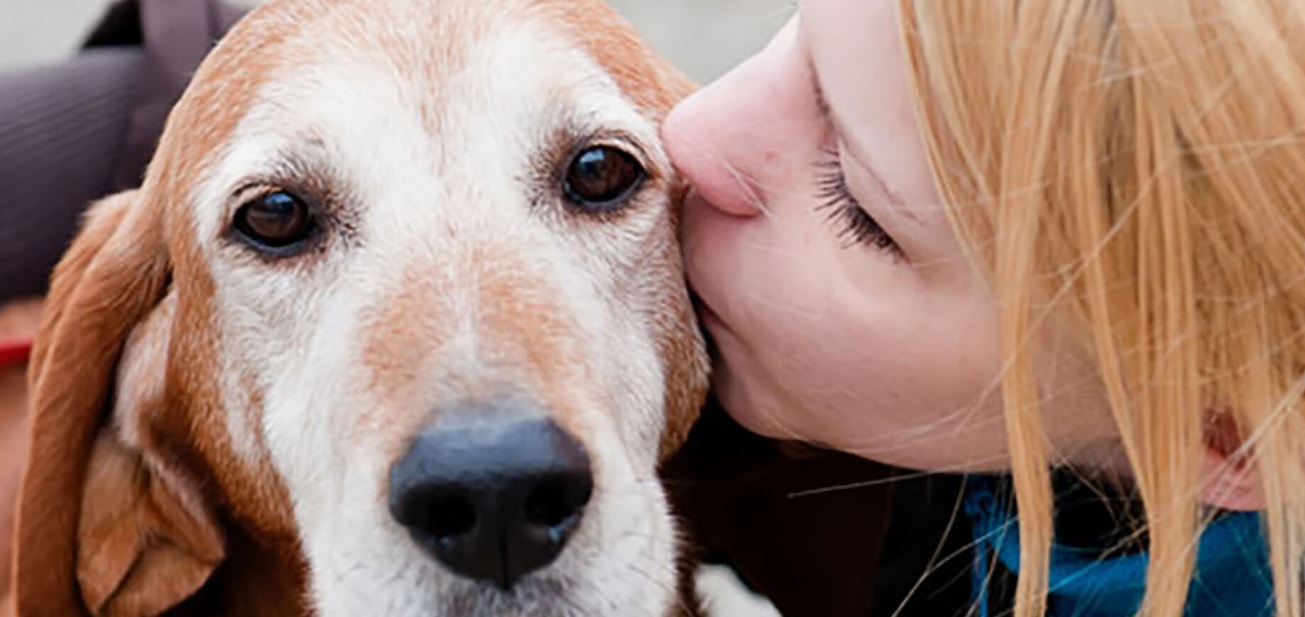
The best way to ensure your puppy bonds with you is to spend time with them, especially during the first few days they are with you. Bring your new pup home when you have a few days free to spend with them. This is an important time for you and your pup - the start of a bond that will continue throughout your pup's life. Remember that when your pup first arrives at their new home, it will be strange and unfamiliar to them, and they will be missing their mum and littermates. You can help make this time easier for your puppy by spending time with them. Your puppy will repay you by making you laugh and by being a loyal companion throughout their life!
YOUR DOG MAY ALSO LIKE...
Why your older dog needs protein
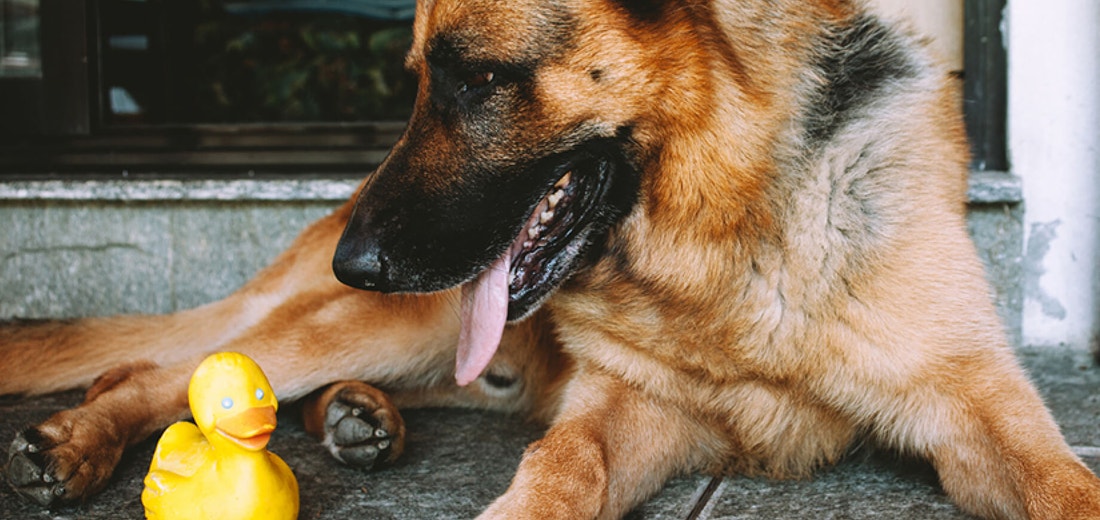
As part of your dog's natural metabolic processes, they'll lose a certain amount of protein every day through loss and turnover of hair, skin, nails and bodily secretions. Historically there's been a belief that reducing protein intake in older dogs will relieve ‘stress’ on their kidneys and may help to prevent or slow progression of kidney disease. More recent research has shown that this theory cannot be supported. Whereas older dogs have a higher incidence of kidney disease than younger dogs, not all older pets will develop kidney failure. The routine use of protein restricted diets in all senior dogs is therefore not necessary unless kidney function is impaired. Very low protein diets may actually be associated with a risk of protein malnutrition and poor palatability. In general, healthy older dogs should have diets based on their individual needs, which will be related to bodyweight, health status, condition and physical activity. There are really two main reasons why your dog requires protein. First to provide the essential amino acids that their own body can't make. Secondly, to provide nitrogen for making non-essential amino acids and other nitrogen-containing compounds. As part of your dog's regular metabolic processes, they'll lose a certain amount of protein every day through loss and turnover of hair, skin, nails and bodily secretions. What's more, about 1% of body protein is broken down and re-synthesised every day. However, if the body isn't taking in enough protein, this process can break down and result in a protein deficiency. Some signs of protein deficiency include:Loss of appetite and weight lossDull coatFluid retentionDistended abdomenSwelling of the legsLethargySo how much protein does your senior dog require? To a certain extent it depends on their breed, environmental factors, and variations in the dietary source of protein. If your senior dog has special needs, consult with your veterinarian.
READ NOW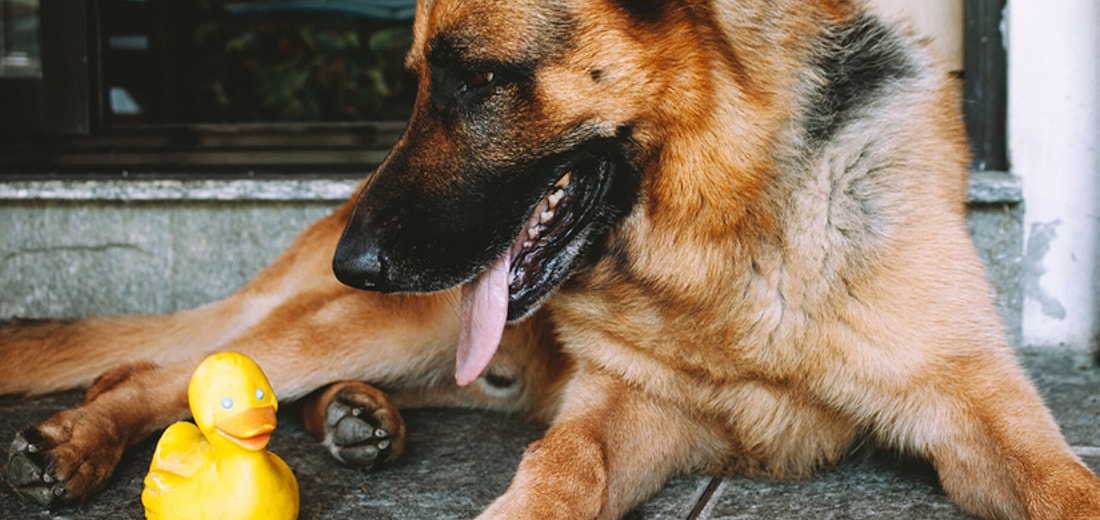
Puppy Toys
KongsThe traditional Kong is a hollow, hard rubber toy, shaped something like the top of a soft ice cream cone. By smearing a bit of wet dog food, or something else tasty, inside the toy you make it a delicious project that your puppy will probably spend a long time working on. After they're done trying to lick every last bit out of this toy, you can run the Kong through the dishwasher or give it a good scrub. Placing the Kong in the freezer also makes a great soothing chew for teething.Nylon bonesThese tend to be a love'em or leave'em chew toy – either a puppy is wild about them or they don't know what to do with them. Nylon bones come in a wide range of sizes. Make sure you buy an appropriate size for your puppy or buy one your pup can grow into. These bones also come in different flavours such as, chicken and liver. If this bone puzzles your pup at first, try smearing a small amount of something delicious on it to get them started. Throw nylon bones out when they wear down and get small enough for your puppy to swallow – though that normally takes a long time.Treat dispensersTreat dispensers are not chew toys, they are hollow toys that you can fill with treats. As your pup rolls the dispenser around, a treat sporadically falls out. This random reward is irresistible to some pups that will play with these toys for quite a long time. Others seem to give up quickly. Starting out with the setting that releases the most treats usually gets the ball rolling so to speak. Once a pup learns the game, they will generally stick with it for a while. Keep in mind that these toys can be noisy on hardwood floors.Remember to rotate your puppy's toys in order to maintain.
READ NOW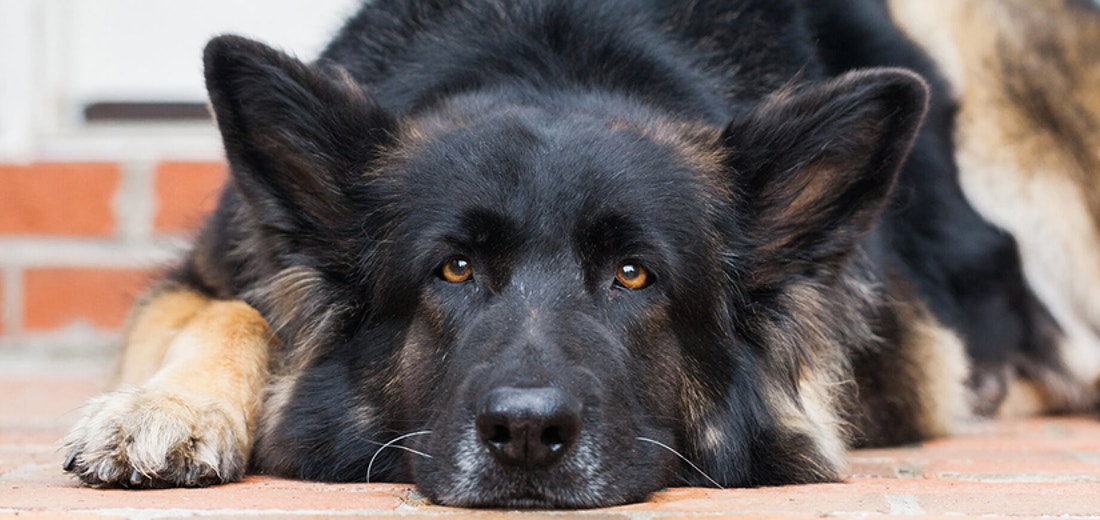
10 great reasons to adopt an older dog
Includes some little-known benefitsSadly, our nation's shelters and rescue organisations always house needy older dogs, and usually these animals wait far longer to find their 'forever' home than younger dogs. Ironically, older dogs can often be a better choice for adoption because of their maturity and life experiences. Here are just ten of many great reasons you may want to consider adopting on older dog.1. The first and probably most important reason to consider bringing an older dog into your life? You'll be providing a home for a deserving dog, ready to give love by the bucket-full and to be your instant companion for years to come.2. Older dogs are almost always housebroken and don't require the commitment of time and dedication needed to teach a puppy the rules of bathroom etiquette - not to mention time spent cleaning up little 'surprises'!3. Older dogs are fully-grown and mature; so you know exactly what type of dog you're getting in terms of size and temperament, rather than guessing with a puppy.4. Older really IS wiser, in many cases! Older obedient dogs are generally more patient, less rambunctious and more disciplined than puppies.5. Since the majority of older dogs are housetrained, obedience trained and probably knows several tricks; demands on your time are significantly less than puppies or younger dogs; which leaves more time for yourself.6. Older dogs are used to normal everyday schedules - increasing your chances of getting a good night's sleep, because they sleep when you do. Bathroom breaks, feedings and playtime are reserved for daytime.7. No gnaws, nips or bites! Older dogs have already gone through the teething phase, sparing your dining room furniture, best pair of shoes and favourite underwear from chew marks.8. Older dogs can sometimes be trusted for longer periods alone than younger dogs (of course, you should never leave him alone for longer than entirely necessary).9. A trained older dog will know many more commands, and have a greater attention span, than a bouncy pup.10. Older dogs may have lived through the death of a previous owner, or abandonment by a less caring household than yours; this often makes for a very loyal, grateful companion!
READ NOW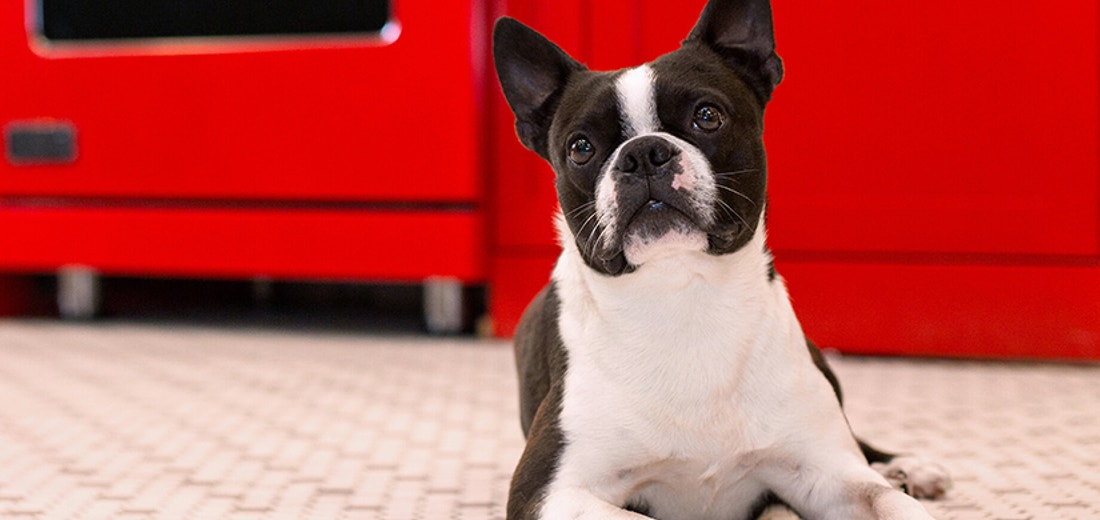
Adopting a second dog
Is it a good idea to adopt a new dog when you have a senior dog at home?THINGS TO CONSIDER.Are you thinking about adopting a second dog? If you have a senior dog in your home, there are a few important things to consider before you take action. After all, your dog has an important place in your family, and his feelings are important. Your senior dog has set routines and a well-established relationship with the members of your family, all of which could become upset with the introduction of a new dog. Proper introductions when bringing a new dog into a family with a senior dog, it's important to make sure that the two dogs get along harmoniously. Getting them both off on the right paw is vital to their future relationship, so make sure you introduce the dogs prior to "moving in" day. It's a good idea to do this in a pleasant environment on neutral ground, not in what will be their shared home. Both dogs should be kept leashed during the meeting, with a caregiver for each dog. This ensures that it will be easy to separate them if they start to show signs of aggression. If there is growling, or other signs of aggression, separate the dogs, distract them each with play, and then try again.Don't scold; it’s important that you do everything possible to make the experience pleasant, as this is what they will remember about the other dog. The transition will be easier if they associate each other with treats and a fun day at the park, rather than being reminded of a scolding when they see the other dog. Of course, part of ensuring that the experience is pleasant is to be sure that the dogs are up-to-date on their vaccinations.A senior dog and a puppy. If you have an older dog, and are bringing a puppy into your home, the older dog may feel that his turf is being invaded. As a result, he may be wary of the puppy. To help the senior canine feel more comfortable, it's a good idea to wait until the puppy is asleep before you introduce the dogs. While keeping a firm grip on the older dog's collar, let him sniff around the puppy. Also, make sure the older dog gets some quiet time alone with you during the first few weeks of him sharing his home with the puppy. These "Introduction Tips" will go a long way to creating a pleasant atmosphere and harmonious relationship between your old and new canine companions.
READ NOW